
Hair loss is a common concern that affects millions of individuals worldwide. While there are various treatment options available, one emerging solution that has gained significant attention is the laser cap. Understanding what a laser cap is and how it works can provide valuable insights into this potential solution for those seeking to address their hair loss concerns.
What Caused Hair Loss?
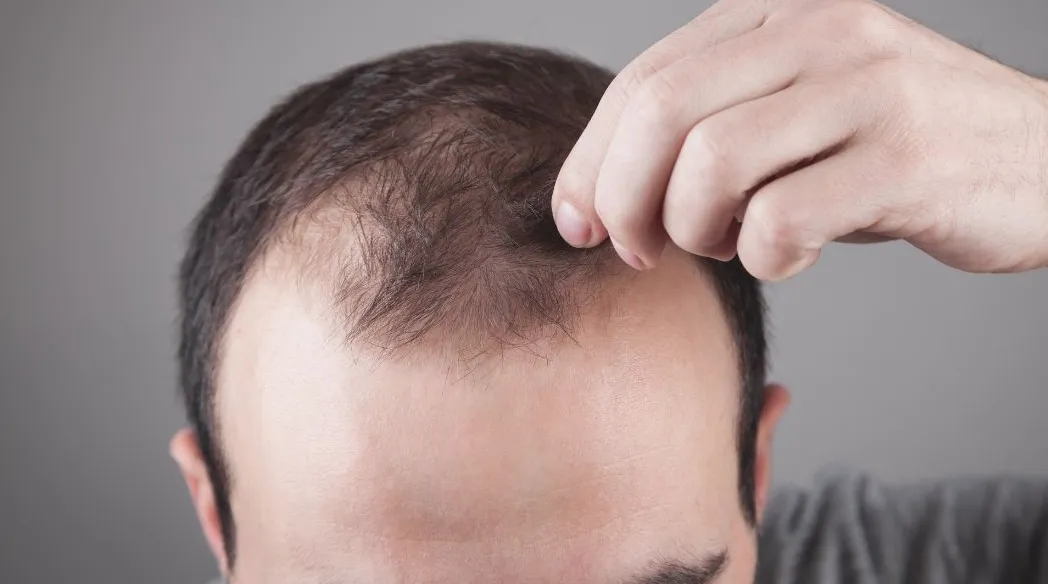
Hair loss can be caused by a variety of factors. Some common reasons include genetics, hormonal changes, and medical conditions. For men, male pattern baldness is a leading cause of hair loss, while women may experience hair thinning due to hormonal imbalances. Additionally, medical conditions such as alopecia areata, thyroid disorders, and scalp infections can also contribute to hair loss.
Other factors that can lead to hair loss include stress, poor nutrition, and certain medications. High levels of stress can disrupt the hair growth cycle, leading to excessive shedding. Nutritional deficiencies, particularly in iron and protein, can also impact hair health. Furthermore, medications used to treat conditions like cancer, arthritis, and depression may have side effects that result in hair loss.
What Is a Laser Cap?

A laser cap is a device that uses low-level laser therapy (LLLT) to stimulate hair growth. It is a small, portable cap that is worn on the head like a regular cap. The cap contains a matrix of laser diodes that emit red light in a specific wavelength. This red light is absorbed by the cells in the hair follicles, which helps to increase blood flow to the scalp and promote hair growth. Laser caps are often used as a non-invasive treatment for hair loss and can be used by both men and women.
Using a laser cap is easy and convenient. Simply place the cap on your head and turn it on. The lasers will emit light that is absorbed by your hair follicles. This stimulates the cells in your scalp and encourages hair growth. You can use the laser cap in the comfort of your own home, allowing you to continue with your daily activities while undergoing treatment. Laser caps are a popular choice for those who want a non-surgical and non-medicated solution to hair loss.
How Does a Laser Cap Differ from Other Hair Loss Treatments?
Non-invasiveness
Unlike surgical hair restoration procedures such as hair transplants, laser caps are non-invasive. They do not require any incisions or the removal of hair follicles from one part of the scalp to another. This makes laser caps a more attractive option for individuals who prefer non-surgical treatments.
Convenience
Laser caps are designed to be worn at home, allowing users to undergo treatment while going about their daily activities. This convenience sets laser caps apart from other treatments that may require regular visits to a clinic or medical facility. The portability and ease of use make laser caps a practical choice for those with busy lifestyles.
Lack of Side Effects
Unlike some medications used to treat hair loss, laser caps do not typically cause systemic side effects. This makes them a safer option for individuals who may be sensitive to certain medications or prefer to avoid potential adverse reactions. The low-level laser therapy used in laser caps is generally well-tolerated and does not have the same risk of side effects as some other treatment options.
Why Does a Laser Cap Work for Hair Loss?
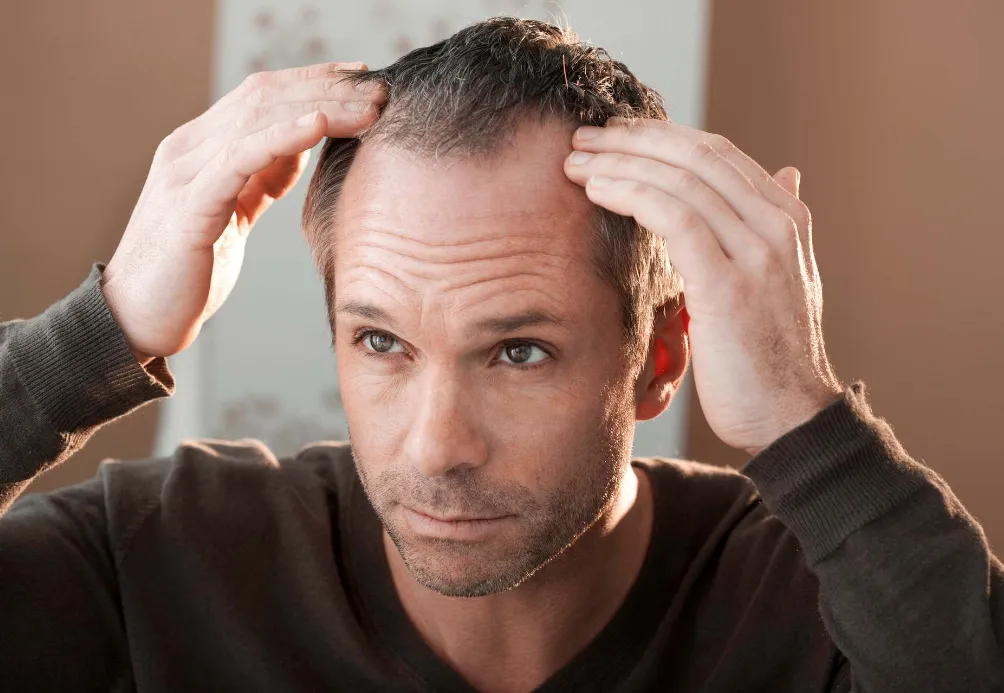
The mechanism of action of laser caps on hair follicles
A laser cap is a device that uses low-level laser therapy (LLLT) to stimulate hair growth and prevent hair loss. It works by emitting red or near-infrared light onto the scalp, which is believed to increase blood flow to the hair follicles, stimulate cell metabolism, and promote hair regrowth.
The mechanism of action of laser caps on hair follicles involves several processes. Firstly, the red or near-infrared light penetrates the scalp and is absorbed by the mitochondria within the cells of the hair follicles. This absorption triggers a series of biochemical reactions that increase the production of adenosine triphosphate (ATP), the energy currency of cells. ATP then promotes the activation of dormant or weakened hair follicles, leading to hair regrowth.
Benefits of using a laser cap for hair regrowth
- Non-invasive: Laser caps are non-surgical and can be used at home without the need for medical intervention.
- Convenience: Users can wear the laser cap while performing other activities, making it easy to incorporate into their daily routine.
- Safety: LLLT used in laser caps is considered safe and does not cause any significant side effects.
- Cost-effective: Compared to other hair loss treatments, laser caps provide a more affordable long-term solution.
- Versatility: Laser caps can be used by both men and women of various ages and hair types.
- Long-term results: Consistent use of a laser cap can produce lasting improvements in hair regrowth and help prevent further hair loss.
Scientific evidence supporting the effectiveness of laser caps for hair loss
A randomized controlled trial published in the American Journal of Clinical Dermatology in 2014 found that participants who used a laser cap for 26 weeks experienced significant improvement in hair regrowth compared to a placebo group. Similarly, a study published in Lasers in Surgery and Medicine in 2019 reported significant hair growth after 24 weeks of laser cap treatment.
Overall, while individual results may vary, the use of a laser cap for hair loss has shown promise in promoting hair regrowth and preventing further hair thinning. Laser caps may be more effective for individuals with mild to moderate hair loss, and results may take several months of consistent use to become noticeable. Consulting with a healthcare professional or dermatologist before starting any hair loss treatment is always advisable.
Who Can Benefit from Using a Laser Cap?
Many people can benefit from using a laser cap. This includes both men and women who are experiencing hair loss or thinning. The laser cap is a convenient and non-invasive solution that can be used at home to stimulate hair growth. It is especially useful for those who do not want to undergo surgery or take medications. By wearing the laser cap regularly, it helps to improve blood circulation, promote hair follicle growth, and reduce hair loss. Overall, anyone who wants to restore their hair volume and thickness can benefit from using a laser cap.
How to Choose the Right Laser Cap?
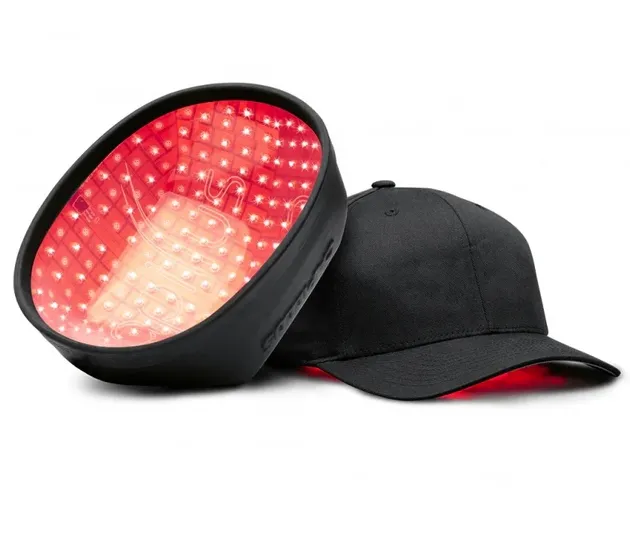
Choosing the right laser cap can be a daunting task, as there are numerous options available in the market. However, by considering certain factors, comparing different brands and models, and finding a reputable provider, you can ensure that you make an informed decision.
Factors to consider when selecting a laser cap
- Laser Cap Technology: Look for a laser cap that uses low-level laser therapy (LLLT) technology. This technology has been proven effective in stimulating hair growth and reducing hair loss.
- Laser Cap Design: Consider the design and comfort of the laser cap. Look for a cap that is lightweight, portable, and easy to use. It should fit securely on your head and allow for hands-free operation.
- Laser Diode Count and Power: The number of laser diodes and their power output directly impact the effectiveness of the laser cap. Look for a cap with a high number of laser diodes (usually over 100) and a suitable power output (typically between 5-10mW).
- Battery Life: Check the battery life and charging time of the laser cap. A longer battery life ensures that you can use the cap for extended periods without interruption.
- FDA Clearance: Verify if the laser cap has been cleared by the Food and Drug Administration (FDA). FDA clearance ensures that the device is safe and effective for hair growth treatment.
Comparison of different brands and models of laser caps
There are several brands and models of laser caps available in the market for hair growth and restoration. The most popular brands include Capillus, iRestore, and Theradome. Capillus offers a range of laser caps with varying numbers of laser diodes, providing different levels of coverage and efficacy. iRestore is known for its affordability and convenience, offering a sleek and portable design. They also offer models that combine laser therapy with other hair growth technologies like LED lights.
Theradome is often praised for its clinical-grade lasers and advanced features like auto-timed treatments and hands-free operation. Overall, the choice between brands and models depends on individual preferences, budget, and desired outcomes. It is important to consider factors such as laser power, coverage, comfort, and ease of use when comparing different brands and models of laser caps.
Recommendations for finding a reputable and reliable laser cap provider
- Research: Read customer reviews, check their websites, and inquire about their manufacturing process and quality control.
- FDA Clearance: Ensure the provider offers laser caps with FDA clearance for a safe and effective product.
- Warranty and Return Policy: Look for providers offering a warranty on their laser caps and check their return policy.
- Customer Support: Evaluate the responsiveness and assistance of the provider’s customer support.
- Price: Compare prices but prioritize quality, ensuring the chosen laser cap meets your requirements and has positive reviews.
FAQs
Does laser caps really work?
Yes, laser caps have been shown to work for some individuals in promoting hair growth.
How long do you have to wear a LaserCap?
Typically, laser caps are worn for about 30 minutes every other day.
What are the side effects of the LaserCap?
There are generally no known side effects associated with the use of laser caps.
Can you overuse a LaserCap?
It is important to follow the manufacturer’s guidelines and not overuse the laser cap, as excessive use may not lead to better results and could potentially cause scalp irritation.
Conclusion
The laser cap offers a non-invasive and convenient approach to combat hair loss. Its ability to stimulate hair follicles through low-level laser therapy has shown promising results for many individuals struggling with hair loss. As technology continues to advance, laser caps are becoming a more accessible and viable option for those seeking to regain their hair’s fullness and confidence.
 Português
  English
  Deutsch
  Español
  Français
  Italiano
  Svenska
  Polski
  Nederlands (Formeel)