
To achieve the best possible results with a laser cap for hair growth, it’s essential to understand how to use it effectively. By following some simple guidelines, you can maximize the benefits of this innovative technology and promote healthy hair growth.
Understanding the Basics of Laser Cap Technology
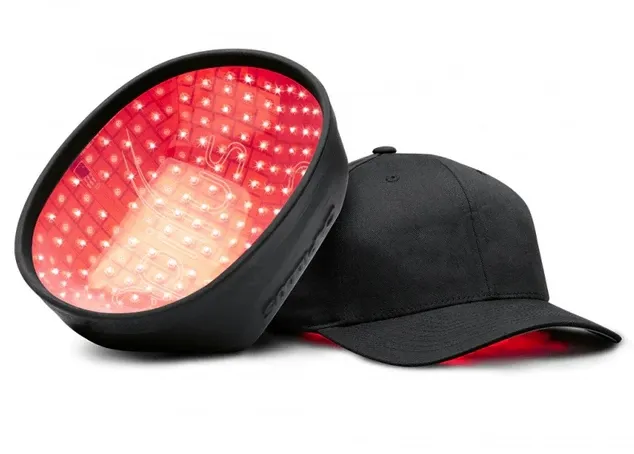
Explanation of a laser cap
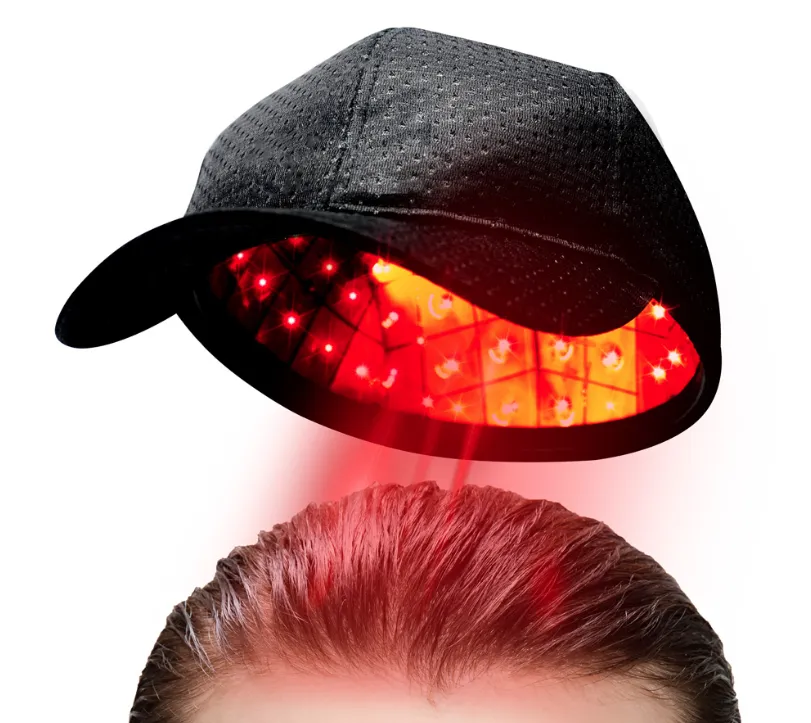
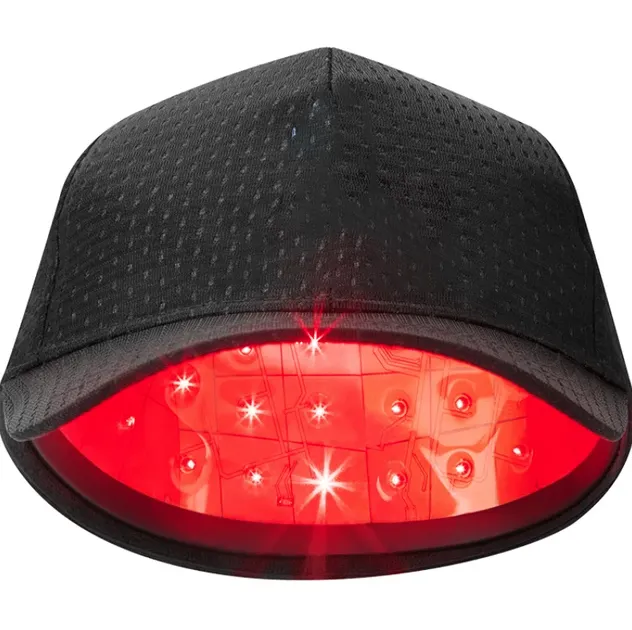
A laser cap is a type of wearable device that utilizes low-level laser therapy (LLLT) to stimulate hair growth. It is designed to be worn on the head, similar to a regular cap or hat, and it contains small laser diodes that emit light at a specific wavelength.
The lasers in the cap work by penetrating the scalp and stimulating the hair follicles. This stimulation boosts the production of adenosine triphosphate (ATP), which is an essential molecule for cellular energy and hair growth. By increasing ATP, the laser cap effectively promotes hair regrowth in individuals experiencing hair loss or thinning.
Different types of laser caps and their effectiveness
Laser caps are devices that use low-level laser therapy (LLLT) to promote hair growth and combat hair loss. Here are three different types of laser caps:
1. Diode Laser Caps
Diode laser caps are the most common type of laser cap available on the market. They emit red light with a wavelength of 650-680 nanometers, which is believed to stimulate blood flow to the hair follicles and increase cellular energy production. This, in turn, can lead to thicker, fuller hair growth.
2. Pulsed Laser Caps
Pulsed laser caps emit laser light in short pulses, rather than a continuous beam. This type of laser cap is thought to be more effective at stimulating hair growth because the pulsing action allows for deeper penetration into the scalp. Pulsed laser caps typically use a combination of red and near-infrared light, ranging from 650-900 nanometers.
3. Combination Laser Caps
Combination laser caps use a combination of diode and pulsed lasers. These caps emit both red and near-infrared light to provide a wider range of wavelengths, which may lead to increased effectiveness. Combination laser caps may also include additional features such as vibration or massage to further enhance their effectiveness.
The effectiveness of laser caps also depends on the individual and the extent of their hair loss. While laser caps have shown promising results in promoting hair growth and slowing down hair loss, they may not be suitable for everyone. Factors such as the underlying cause of hair loss, age, and overall health can influence the outcomes.
Choosing the Best Laser Cap
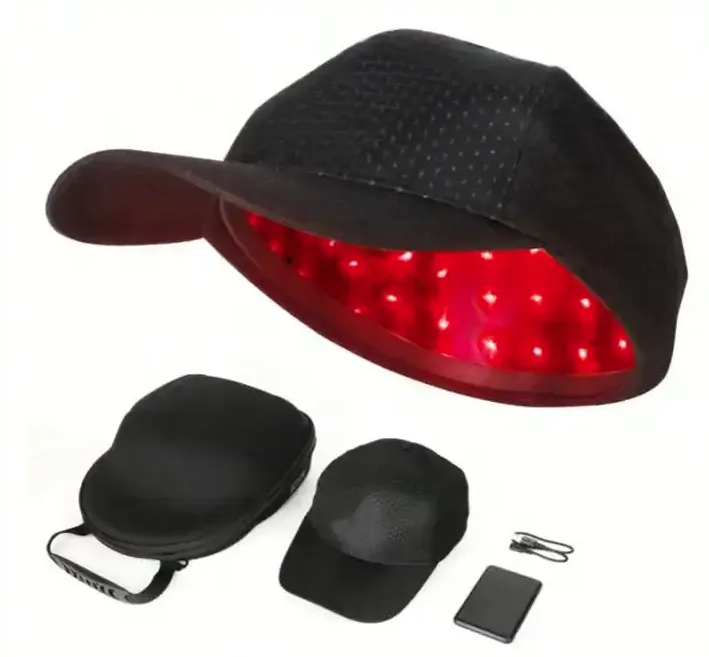
Factors to Consider
- FDA Clearance: Ensure that the laser cap is FDA-cleared for safety and effectiveness.
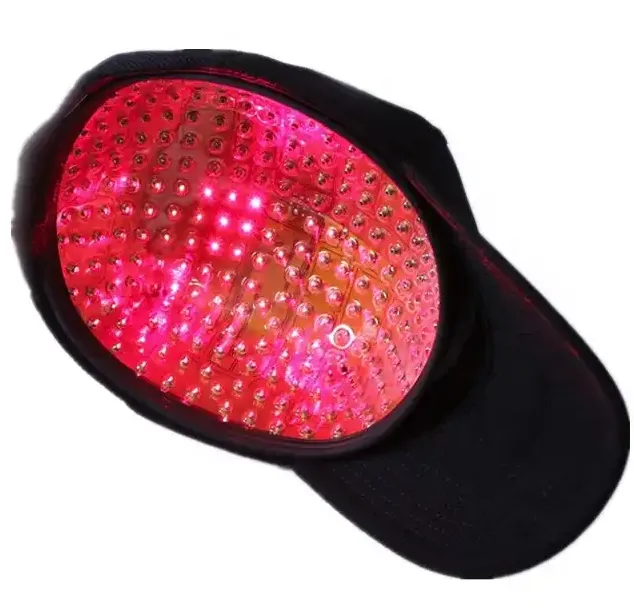
- Number of Laser Diodes: Look for a cap with a sufficient number of laser diodes for optimal coverage.
- Comfort and Fit: Consider the comfort and fit of the cap for extended use.
- Treatment Time: Check the recommended treatment time per session and frequency for convenience.
- Battery Life: Look for a cap with a long-lasting battery for uninterrupted use.
- Price: Consider the cost of the laser cap and compare it with the features and benefits it offers.
Top 3 Recommended Laser Cap Brands
iRestore Laser Cap
The iRestore Laser Cap is a popular and well-established brand in the field of hair restoration. It utilizes low-level laser therapy (LLLT) to stimulate hair growth and treat hair loss. The cap contains medical-grade lasers and LEDs that emit red light to promote hair regrowth.
Benefits:
- Effective Hair Regrowth: The iRestore Laser Cap helps stimulate hair follicles, promoting regrowth in both men and women.
- Convenient and Easy to Use: The cap is designed for home use and can be worn discreetly under a regular hat or cap.
- FDA-Cleared: The iRestore Laser Cap has been cleared by the FDA for its safety and effectiveness in promoting hair growth.
Theradome Laser Helmet
The Theradome Laser Helmet is a premium brand known for its advanced laser technology and impressive results. It uses clinical-strength lasers to deliver maximum coverage and potency for hair regrowth.
Benefits:
- Powerful Laser Technology: Provides high-powered laser diodes that efficiently stimulate hair follicles and promote hair growth.
- Optimal Coverage: With its full scalp coverage, the helmet ensures that laser light reaches all areas for maximum effectiveness.
- User-Friendly: The helmet is lightweight, cordless, and hands-free, making it easy to incorporate into your routine.
Capillus Laser Cap
Capillus is a reputable brand offering various models of laser caps to cater to different needs and preferences. Their caps contain multiple laser diodes that provide broad scalp coverage for effective hair regrowth.
Benefits:
- Discreet and Portable: They are thin, flexible, and can be worn comfortably under a regular cap or hat.
- Clinically Proven: Capillus laser caps have undergone clinical trials and are proven to be safe and effective in stimulating hair growth.
- Customizable Treatment Options: Capillus offers different models with varying laser diode counts, allowing users to choose the level of coverage and intensity that suits their specific needs.
Setting Realistic Expectations
Setting realistic expectations is important when undergoing any kind of treatment, including laser cap treatment. This ensures that individuals have a clear understanding of what to expect and helps avoid disappointment or frustration. Here are three key aspects to consider when setting realistic expectations for laser cap treatment:
Create timelines for visible results
Laser cap treatment is a gradual process, and it may take some time before noticeable improvements occur. Creating timelines can help individuals understand the general progression of results and realistic timeframes for visible changes. It is essential to consult with a healthcare professional or follow the recommended treatment plan provided by the laser cap manufacturer to have a better understanding of the expected timelines.
The factors influencing individual responses to laser cap treatment
Here are key factors to consider:
- Age: Age plays a role in the effectiveness of laser cap treatment. Generally, younger individuals tend to respond better to treatment due to their hair follicles’ higher vitality and responsiveness.
- Severity of hair loss: In general, Individuals with mild to moderate hair loss may see improvements sooner compared to those with significant hair loss.
- Health conditions: Underlying health conditions, such as hormonal imbalances or certain medical treatments, can impact the response to laser cap treatment.
- Compliance with usage: Consistency and adherence to the recommended usage of the laser cap are crucial. Irregular or inconsistent usage may delay or hinder results.
- Individual genetics: Genetics can influence the response to laser cap treatment. Some individuals may have inherently better or poorer hair growth potential, which can affect the rate of improvement and overall results.
Be patient and consistent in usage
Patience and consistency are key when undergoing laser cap treatment. Results may not be instantaneous, and it may take several months before visible changes occur. It is important to commit to the treatment plan, use the laser cap consistently as recommended, and be patient throughout the process.
By setting realistic expectations, understanding the factors that influence individual responses to laser cap treatment, and maintaining patience and consistency in usage, individuals can have a more positive experience and better manage their expectations for this treatment.
Establishing a Consistent Routine
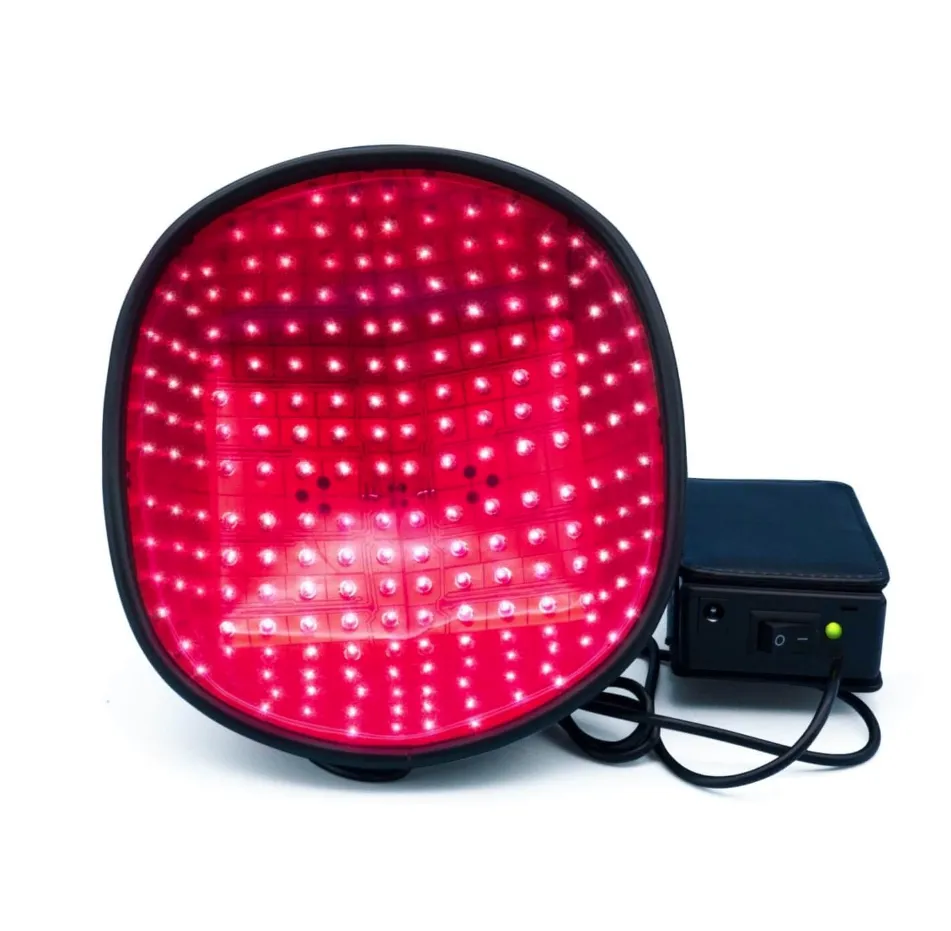
A consistent routine is crucial for maximizing the effectiveness of a laser cap for hair growth. By following a daily or weekly schedule for laser cap usage and incorporating it into existing hair care routines, individuals can ensure they are consistently receiving the benefits of this technology.
Plan a daily or weekly schedule for laser cap usage
To establish a consistent routine, it is important to plan a specific daily or weekly schedule for laser cap usage. This can be determined based on personal preferences, availability, and desired results. Whether it is using the laser cap every day for a certain time duration or a few times a week, having a set schedule will make it easier to incorporate it into daily life.
Incorporating the laser cap into existing hair care routines
Another way to ensure consistency is by incorporating the laser cap into existing hair care routines. This can be done by using the laser cap after washing and conditioning the hair or before using other hair care products. By integrating it seamlessly into the existing routine, individuals are more likely to remember to use the laser cap regularly.
Tips for maintaining consistency
- Set reminders: Use phone alarms or calendar notifications to remind oneself to use the laser cap at the designated times.
- Create a dedicated space: Designate a specific area to keep the laser cap, making it easily accessible and a visual reminder for regular usage.
- Make it a habit: Repetition is key to forming a habit, so using the laser cap at the same time every day or week will help establish a routine.
- Stay accountable: Share your routine with a friend or family member who can remind and encourage you to use the laser cap regularly.
- Track progress: Keep records of hair growth progress or any improvements noticed, as this can serve as motivation to maintain consistency.
- Stay committed: Remember the ultimate goal and the potential benefits of using the laser cap regularly, which can help maintain motivation and consistency.
Complementary Hair Care Habits
1) Adding nutrition to your hair
Just like our bodies, our hair also requires proper nutrition to stay healthy and strong. Incorporating a balanced diet that includes essential vitamins and minerals can greatly improve the health of your hair. Some key nutrients for hair health include biotin, vitamin E, omega-3 fatty acids, and protein. Foods such as eggs, nuts, salmon, spinach, and sweet potatoes are rich in these nutrients. Additionally, using hair care products that contain natural ingredients like argan oil, coconut oil, and shea butter can provide the necessary nourishment to your hair.
2) Proper scalp care
It is important to keep your scalp clean and free from dirt, excess oil, and product buildup. Regularly washing your hair with a gentle shampoo can help in maintaining a clean scalp. However, it is equally important to avoid over-washing, as it can strip your scalp of its natural oils, leading to dryness and scalp issues.
Additionally, regular scalp massages can stimulate blood flow to the hair follicles, promoting hair growth. Using a wide-toothed comb or a brush with soft bristles can also help in distributing natural oils from your scalp to the lengths of your hair, keeping it moisturized and nourished.
3) Avoiding damaging styling practices during the treatment period
Many styling practices can cause damage to your hair, especially if it is already undergoing a certain treatment or is in a fragile state. Avoid using heated styling tools such as flat irons, curling irons, and blow dryers excessively, as they can cause dryness, breakage, and split ends. If you need to use heat styling tools, it is important to use a heat protectant spray to minimize damage.
Additionally, avoid tight hairstyles that pull on your hair, such as tight ponytails, buns, or braids. These can cause tension in your hair follicles and lead to hair breakage. Opt for looser hairstyles or use hair accessories that do not put excessive strain on your hair.
Finally, be careful with chemical treatments such as hair dyes, relaxers, or perms. These treatments can weaken your hair and make it more prone to breakage. It is advisable to consult a professional stylist and follow their guidance to minimize damage during these treatments.
Monitoring Progress
Monitoring progress is an essential part of any treatment, including laser cap treatment for hair health. It involves establishing a baseline for hair health before starting the treatment, regular assessments of hair thickness, strength, and overall condition, and making adjustments to the routine or seeking professional advice based on the progress observed.
Establishing a baseline for hair health before starting laser cap treatment
Establishing a baseline for hair health is the first step in monitoring progress. This involves assessing the current state of the hair before starting the laser cap treatment. It may include evaluating factors such as hair thickness, density, strength, and overall condition. This baseline helps to understand the starting point for the treatment and provides a reference for future evaluations.
Regular assessments of hair thickness, strength, and overall condition
Regular assessments of hair thickness, strength, and overall condition are crucial for monitoring progress throughout the laser cap treatment. These assessments can be done by closely observing the hair and its characteristics, such as measuring the shaft’s diameter, evaluating the hair’s elasticity, and examining the scalp for any signs of improvements or changes. These regular assessments can help to identify any improvements or setbacks in hair health and allow for necessary adjustments in the treatment plan.
Adjusting routine or seeking professional advice based on progress
Adjusting the routine or seeking professional advice based on progress is necessary to ensure the most effective results from the laser cap treatment. If progress is observed, such as increased hair thickness or strength, it may be an indication that the current treatment routine is working well. However, if progress is slow or there are no visible improvements, adjustments may be required. This could involve modifying the treatment schedule, duration, or intensity, or seeking professional advice from a dermatologist or trichologist.
Addressing Common Concerns and Questions
How to manage potential side effects or discomfort?
When using a laser cap for hair growth, it’s important to be aware of potential side effects or discomfort that may arise. Some common side effects include scalp irritation, itching, or redness. To manage these potential side effects, it’s important to follow the manufacturer’s instructions for usage and to start with a low-intensity setting and gradually increase as tolerated. Additionally, using a gentle shampoo and avoiding harsh chemicals on the scalp can help reduce irritation. If discomfort persists, it’s important to consult with a healthcare professional for further guidance.
Troubleshooting common issues with laser cap usage
- Inconsistent results: If you are not seeing the desired results, it’s important to ensure that you are using the laser cap consistently and following the recommended usage guidelines. Consider factors such as underlying health conditions or medication that may be affecting hair growth.
- Battery issues: If the laser cap is not turning on or holding a charge, check the batteries and connections to ensure they are functioning properly. If the issue persists, contact the manufacturer for further assistance.
- Fit and comfort: Some users may experience discomfort or difficulty in wearing the laser cap for the recommended duration. It’s important to adjust the fit of the cap and use it in a comfortable position to ensure optimal results.
- Hair shedding: Some users may experience temporary hair shedding when starting laser cap treatment. This is a common response as the hair follicles undergo a growth phase, and new hair may initially push out existing hair. This shedding should subside after a few weeks of consistent use.
Actively communicate with healthcare professionals
It’s important to actively communicate with healthcare professionals when using a laser cap for hair growth. This includes discussing any underlying health conditions, medications, or concerns that may impact the effectiveness of the treatment. Healthcare professionals can guide the appropriate use of the laser cap and monitor progress to ensure optimal results. If any side effects
FAQs
Do laser caps work for hair growth?
Yes, laser caps have been shown to work for hair growth in some studies.
Can laser increase hair growth?
Laser therapy can potentially increase hair growth by stimulating hair follicles.
How long does it take to see results from a LaserCap for hair growth?
It may take several months to see results from using a LaserCap for hair growth.
What are the side effects of the laser hair regrowth cap?
Some potential side effects of using a laser hair regrowth cap include scalp irritation and dryness.
Conclusion
Using a laser cap for hair growth can be an effective way to address thinning hair and promote regrowth. By following a consistent treatment schedule and making adjustments as needed, you can maximize the results and achieve the thicker, healthier hair you desire.
 Polski
  English
  Deutsch
  Español
  Français
  Italiano
  Svenska
  Português
  Nederlands (Formeel)