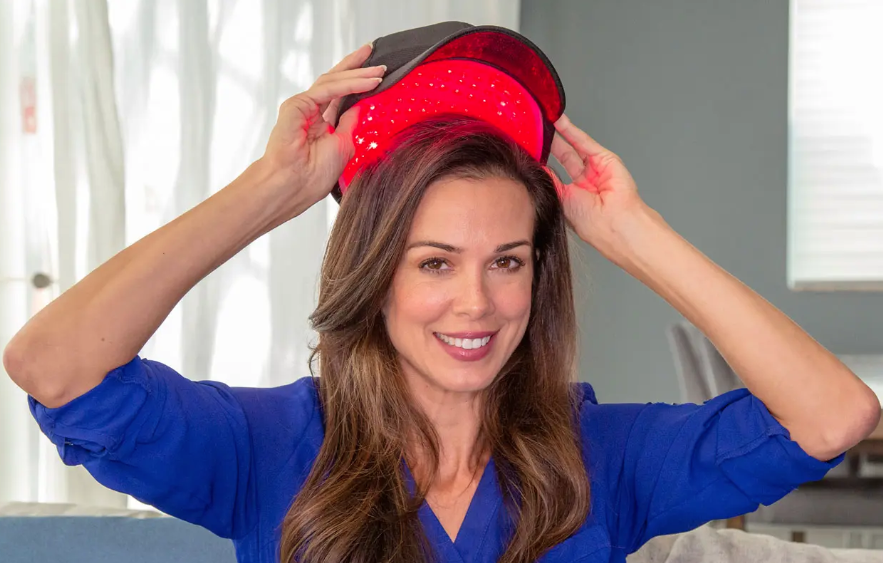
When it comes to hair restoration, the choices can be overwhelming. With numerous treatments available, it’s essential to find the right option that suits your needs. Today, we compare the revolutionary Hair Helmet with traditional treatments to help you make an informed decision. Whether you’re struggling with hair loss or seeking to enhance your hair’s thickness, read on to discover which approach may be right for you.
A brief overview of the common hair problems people face
Many people face common hair problems that can be frustrating. One common issue is hair loss, where hair becomes thin or falls out in patches. Another concern is dry and damaged hair, often caused by excessive heat styling or improper conditioning. Dandruff is yet another problem, causing an itchy and flaky scalp. Finally, curly hair can be a daily struggle, making achieving smooth and manageable locks difficult. These hair problems can affect anyone and finding suitable solutions is important for maintaining healthy and beautiful hair.
Importance of finding the right treatment for hair loss
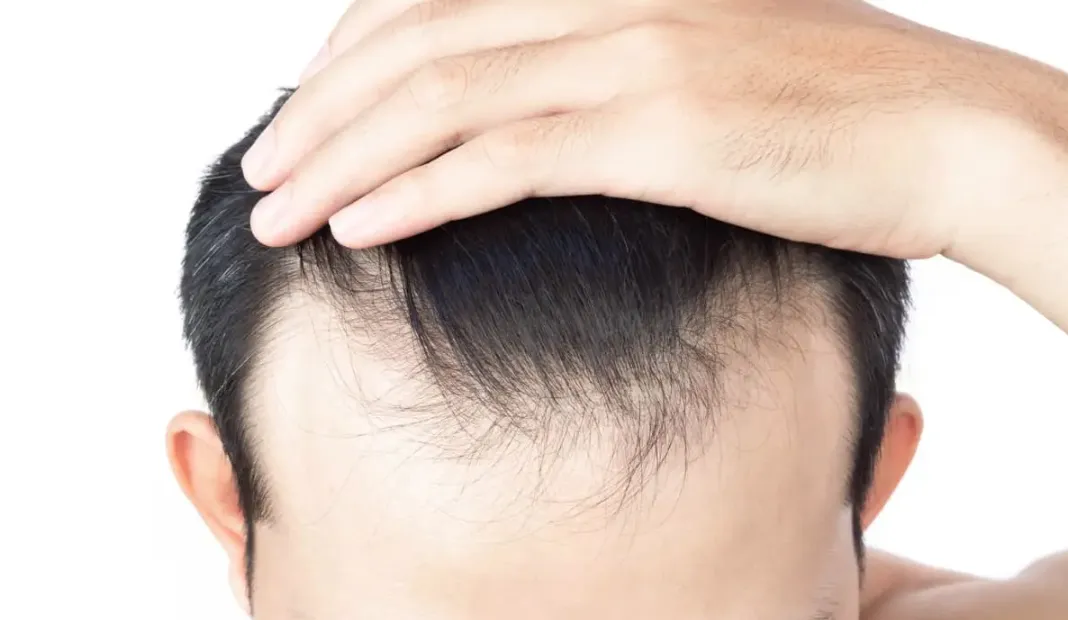
Finding the right treatment for hair loss is crucial for many reasons. Firstly, it can help boost a person’s self-esteem and confidence. Losing hair can be a distressing experience, and it may affect how individuals perceive themselves and interact with others. By finding the right treatment, individuals can regain their lost hair or prevent further hair loss, leading to improved self-image and overall well-being.
Secondly, finding the right treatment for hair loss is important for maintaining a healthy scalp and preventing complications. Hair loss can be caused by various factors, such as genetics, hormonal changes, or scalp conditions. If left untreated, these underlying causes may worsen and lead to further hair thinning or even baldness. Seeking the right treatment can address the root cause of hair loss and ensure a healthy scalp, promoting hair growth and preventing potential complications in the long run.
Understanding Hair Helmets
Explanation of what hair helmets are and how they work
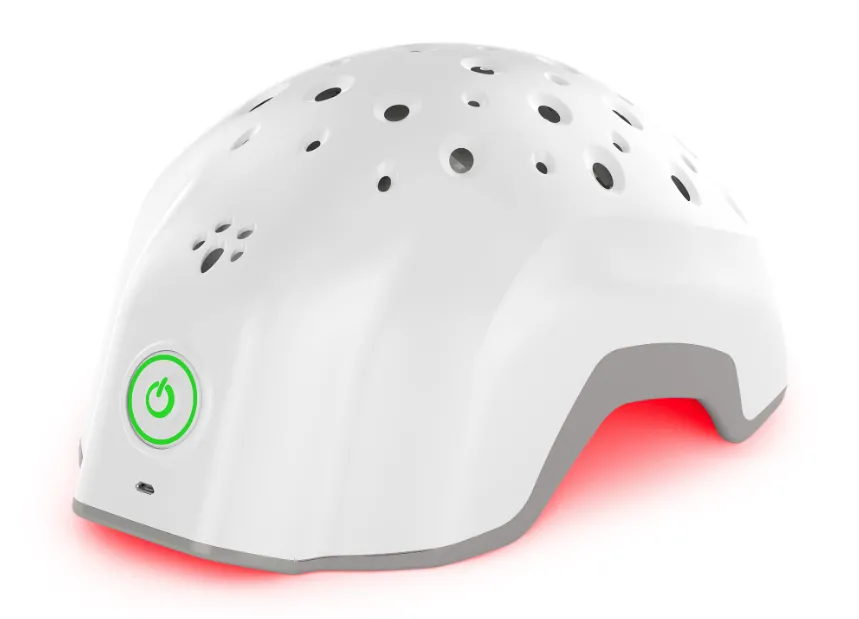
Hair helmets are a type of innovative hair loss treatment that has gained popularity in recent years. They are designed to help combat hair loss and promote hair regrowth. Hair helmets work by utilizing various technologies that stimulate the scalp and hair follicles, leading to increased blood circulation and the promotion of hair growth.
Hair helmets typically consist of a helmet-like device worn on the head. Inside the helmet, there are multiple small laser diodes or LED lights that emit low-level light therapy (LLLT). This light energy is absorbed by the scalp and hair follicles, stimulating cellular activity and promoting hair growth.
Advantages of using hair helmets for hair loss treatment
1. Increased blood circulation to the scalp
One of the main advantages of using hair helmets for hair loss treatment is the increased blood circulation to the scalp. The low-level light therapy used in hair helmets helps to dilate blood vessels, allowing for improved oxygen and nutrient delivery to the hair follicles. This increased blood flow can revitalize dormant hair follicles and stimulate the growth of new, healthy hair.
2. Stimulates hair follicles for regrowth
Hair helmets also stimulate hair follicles for regrowth. The low-level light therapy emitted by the helmet can penetrate the scalp and reach the hair follicles. This stimulates the follicles, encouraging them to enter the active growth phase, known as the anagen phase. As a result, hair follicles that were previously dormant or producing thin, weak hair can be rejuvenated, leading to thicker, healthier hair growth.
3. Non-invasive and painless
Another advantage of hair helmets is that they are non-invasive and painless. Unlike some other hair loss treatments, such as surgical procedures or topical medications, hair helmets do not require any needles or incisions. Users need to wear the helmet as directed, typically for a certain duration per session, and can go about their daily activities. This non-invasive and painless nature makes hair helmets a convenient and comfortable option for individuals looking to treat hair loss.
Traditional Treatments for Hair Loss
Traditional treatments for hair loss typically include medications, topical solutions, and other methods aimed at promoting hair growth and preventing further hair loss. Here is an overview of some common traditional treatments:
- Minoxidil (Rogaine): Minoxidil is an FDA-approved over-the-counter medication available in both foam and liquid forms. It is applied topically to the scalp and is believed to promote hair growth by increasing blood flow to the hair follicles. Minoxidil is commonly used for male and female pattern baldness.
- Finasteride (Propecia): Finasteride is an FDA-approved prescription medication for male pattern baldness. It works by blocking the conversion of testosterone to dihydrotestosterone (DHT), a hormone that can shrink hair follicles. Finasteride is typically taken orally and may help slow down hair loss and promote regrowth.
- Corticosteroids: Corticosteroids can be injected into the scalp or applied topically as creams or ointments. They are often used to treat alopecia areata, a condition characterized by patchy hair loss. Corticosteroids work by suppressing the immune system and reducing inflammation around the hair follicles.
Comparing Hair Helmets and Traditional Treatments
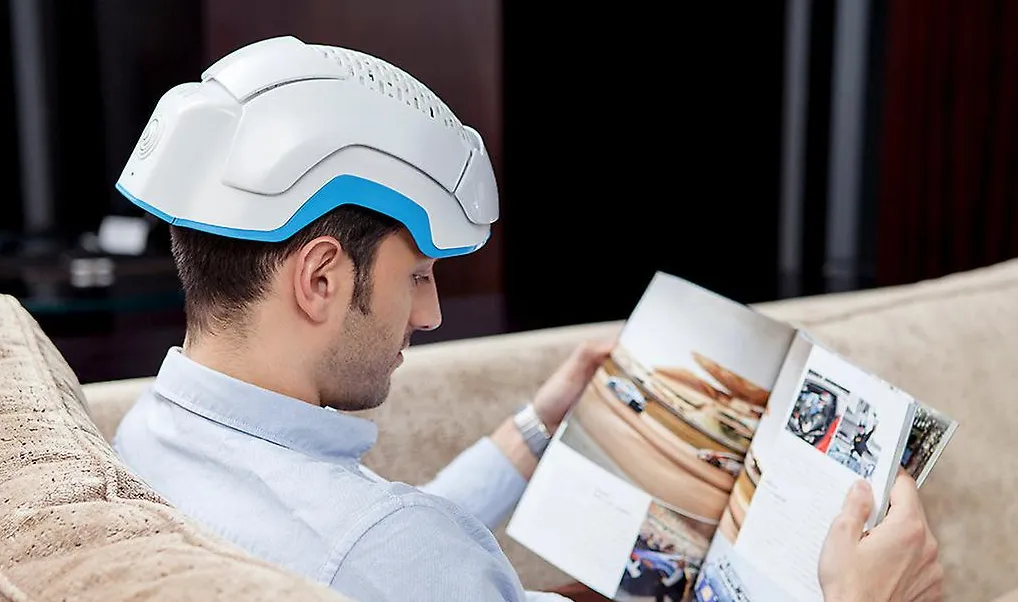
Hair helmets, also known as laser hair growth helmets or laser caps, are a relatively new and non-invasive treatment option for hair loss. They use low-level laser therapy (LLLT) technology to stimulate hair follicles and promote hair growth. In comparison, traditional treatments for hair loss include medications, topical solutions, hair transplantation, and other methods. Let’s compare the effectiveness and pros and cons of hair helmets and traditional treatments:
Effectiveness of hair helmets vs. traditional treatments
Hair Helmets
Hair helmets are believed to be effective in stimulating hair growth and reducing hair loss. The low-level laser light emitted by these devices is thought to increase blood flow to the scalp, enhance cellular metabolism, and promote hair follicle activity.
Studies have shown that LLLT can be beneficial in treating androgenetic alopecia (male and female pattern baldness) and other types of hair loss. However, the effectiveness of hair helmets can vary among individuals, and results may be more noticeable in the early stages of hair loss.
Traditional Treatments
Traditional treatments like minoxidil and finasteride have been extensively studied and proven to be effective in treating hair loss, particularly in cases of male pattern baldness.
Other traditional treatments, such as corticosteroids and hair transplantation, can also provide significant results, depending on the specific condition and individual factors.
Pros and cons of each option
Hair Helmets:
Pros:
- Non-invasive: Hair helmets are easy to use and do not require any surgical procedures or medications.
- Convenience: They can be used at home, allowing for flexibility in treatment.
- Safety: Hair helmets are generally considered safe, with minimal side effects reported.
Cons:
- Cost: Hair helmets can be relatively expensive compared to some traditional treatments.
- Time commitment: Consistent and regular use of hair helmets is necessary to achieve and maintain results, which may require a significant time commitment.
Traditional Treatments:
Pros:
- Proven effectiveness: Traditional treatments like minoxidil and finasteride have a long history of success in treating hair loss.
- Variety of options: Traditional treatments offer a range of options, including topical solutions, medications, and surgical procedures, allowing for personalized treatment plans.
Cons:
- Side effects: Some traditional treatments may have potential side effects, such as skin irritation, sexual dysfunction (associated with finasteride), or scarring (in the case of hair transplantation).
- Cost: Certain traditional treatments, especially hair transplantation, can be expensive.
- Prescription requirement: Some traditional treatments, such as finasteride, require a prescription, which adds an extra step in the treatment process.
Factors to Consider When Choosing a Treatment
Choosing the right treatment for hair loss can be a personal decision, influenced by various factors. Here are some important factors to consider when making a decision:
1) Severity of hair loss
The severity and extent of hair loss can play a significant role in determining the appropriate treatment. For example, if the hair loss is in the early stages and limited to specific areas, topical solutions or hair helmets may be suitable. However, more advanced cases of hair loss may require more aggressive treatments like hair transplantation.
2) Personal preferences and comfort level
Consider your comfort level with different treatment options. Some people may prefer non-invasive treatments like hair helmets or topical solutions, while others may be open to surgical procedures like hair transplantation. It’s important to choose a treatment that aligns with your preferences and lifestyle.
3) Cost and time commitment
Treatment costs can vary significantly depending on the method chosen. Traditional treatments like medications or hair transplantation can be more expensive than hair helmets or topical solutions. Additionally, some treatments may require ongoing use or maintenance, which can impact the overall cost. Consider your budget and the long-term financial commitment when choosing a treatment. Similarly, factor in the time required for treatment, including regular usage or clinic visits.
4) Potential risks and benefits
Each treatment option carries its own set of potential risks and benefits. For example, medications like finasteride may have side effects such as sexual dysfunction, while hair transplantation carries risks like scarring or infection. On the other hand, non-invasive treatments like hair helmets may have minimal risks but may require consistent use for optimal results. It’s crucial to weigh the potential benefits against any associated risks and consider your tolerance for them.
You Can Buy the Best Hair Helmet from Rehair
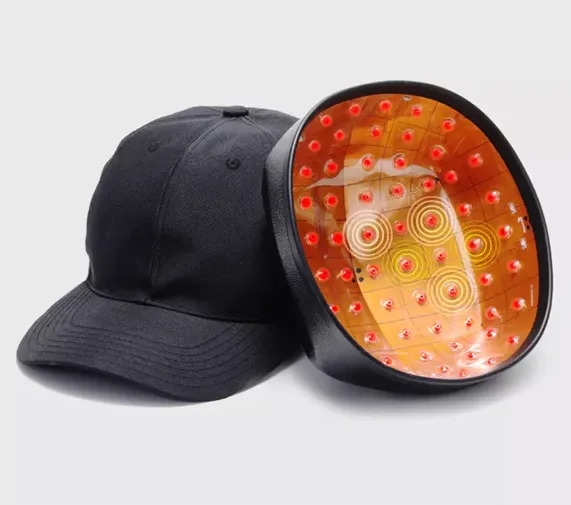
Rehair Low Level Light Therapy (LLLT) laser cap – the ultimate solution for hair regrowth. This portable and hands-free hair growth product is designed to deliver laser therapy to your scalp conveniently and discreetly. Whether you’re a man or a woman, the Rehair laser cap is here to help you achieve the luscious locks you desire.
With a choice of 88, 160, or 272 laser diodes, this laser cap provides optimal coverage to stimulate hair follicles and promote hair growth. Each laser diode emits a power of 5mW, resulting in a total power output of 1360mW. The laser wavelength of 650nm ensures effective treatment, while the pulse frequency of 4.5Hz maximizes the benefits.
One of the standout features of the Rehair laser cap is its portability and hands-free design. You can easily wear it while going about your daily activities, allowing for hassle-free treatment without disrupting your routine. Its discreet use ensures that you can enjoy the benefits of laser therapy without drawing unnecessary attention.
Rest assured, the ReHair laser cap is FDA-cleared, guaranteeing its safety and efficacy. It is also the most affordable hair growth cap on the market, making it accessible to a wide range of individuals seeking a solution for hair loss. Don’t let hair loss hold you back. Try the ReHair laser cap and rediscover the joy of having a full and voluminous head of hair.
FAQs
Does the hair-growing helmet work?
The effectiveness of hair-growing helmets can vary among individuals, and results may not be guaranteed for everyone.
What is a hair helmet?
A hair helmet, also known as a laser hair growth helmet or laser cap, is a device that uses low-level laser therapy (LLLT) to stimulate hair follicles and promote hair growth.
Does the iRestore work?
The iRestore hair growth system has shown positive results for many individuals in terms of promoting hair growth and reducing hair loss.
Which type of helmet is good for hair?
The best type of helmet for hair growth depends on individual preferences and needs.
Conclusion
Selecting the most suitable hair restoration treatment is a personal decision that depends on various factors. While traditional treatments have long been the go-to solution, the Hair Helmet offers a groundbreaking alternative worth considering. Its innovative technology and convenience make it an attractive choice for those seeking effective and hassle-free hair restoration. However, it’s crucial to consult with a hair specialist or dermatologist to determine which option aligns with your unique circumstances.
 Italiano
  English
  Deutsch
  Español
  Français
  Svenska
  Português
  Polski
  Nederlands (Formeel)