
Hair loss is a common concern that affects millions of individuals worldwide. For those seeking hair regrowth solutions, the market offers various options to choose from. One prominent contender in this realm is the Capillus Hair Cap, a device that claims to stimulate hair growth. However, it is essential to evaluate this product alongside its alternatives to make an informed decision about the most suitable solution for your needs.
What is A Capillus Hair Cap?
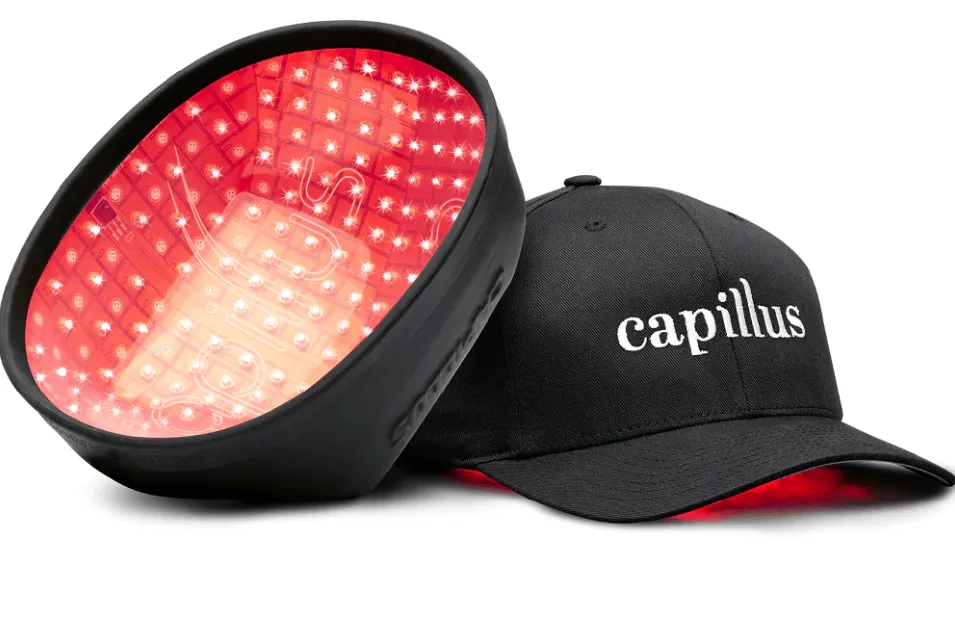
A Capillus Hair Cap is a device designed to help stimulate hair regrowth. It is a cap-shaped apparatus that you can wear on your head. The cap is embedded with low-level laser diodes that emit light energy onto the scalp. This light energy is believed to penetrate the hair follicles, promoting blood circulation and encouraging hair growth.
Moreover, the Capillus Hair Cap is a portable and hands-free solution. You can wear it discreetly while going about your daily activities. The cap is designed to be lightweight and comfortable, ensuring ease of use. It can be a convenient option for individuals who prefer a non-invasive and hassle-free approach to hair regrowth.
How Does Capillus HairCap Work?
The Capillus Hair Cap operates on the principle of low-level laser therapy (LLLT). When the cap is worn on the head, the low-level laser diodes emit specific wavelengths of light energy onto the scalp. This light energy is absorbed by the cells in the hair follicles. The absorbed light energy is believed to stimulate cellular activity and increase blood flow to the hair follicles. This can then promote the production of adenosine triphosphate (ATP), which is essential for cellular metabolism and hair growth.
Additionally, the light energy may also help reduce inflammation in the scalp and improve the overall health of the hair follicles. By consistently using the Capillus Hair Cap as instructed, individuals may experience improved hair density, thickness, and overall hair regrowth. Individual results may vary, and it is recommended to consult with a healthcare professional before starting any hair regrowth treatment.
Capillus Hair Cap vs. Alternatives
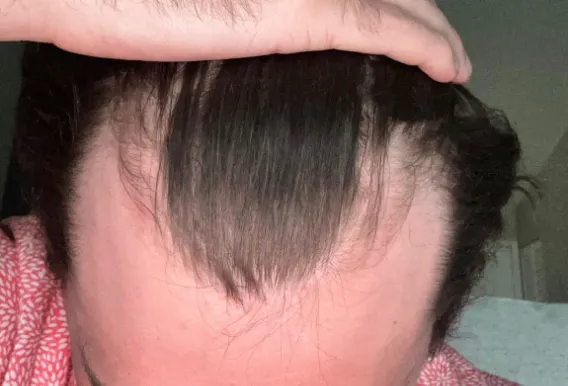
One popular option on the market is the Capillus Hair Cap, which utilizes low-level laser therapy (LLLT) to stimulate hair growth. However, it’s essential to explore alternative methods before making a decision. Let’s delve into some of the alternatives available for combating hair loss.
Capillus Hair Cap
The Capillus Hair Cap is a low-level laser therapy (LLLT) device designed to stimulate hair follicles and promote hair regrowth. It consists of a cap-like device that is worn on the head, delivering laser light energy to the scalp. This treatment is non-invasive, painless, and can be done in the comfort of one’s home. The Capillus Hair Cap is available in different models, with varying numbers of laser diodes and treatment times.
Pros:
- Convenience: The Capillus Hair Cap can be used at home, allowing for flexibility and convenience in treatment.
- Non-invasive: This treatment does not require any surgical procedures or medications, making it a safe and painless option.
- Low side effects: LLLT is generally considered safe, with minimal side effects such as mild scalp irritation reported in some cases.
Cons:
- Cost: The Capillus Hair Cap can be quite expensive, especially compared to other treatment options.
- Time commitment: To see optimal results, consistent and long-term use of the device is necessary, which may require a significant time commitment.
Medications
One common alternative to the Capillus Hair Cap is the use of medications. FDA-approved drugs such as minoxidil and finasteride have shown promising results in treating hair loss. Minoxidil, available as both a topical solution and foam, is applied directly to the scalp to promote hair growth. Finasteride, on the other hand, is an oral medication that works by inhibiting the production of dihydrotestosterone (DHT), a hormone responsible for hair loss.
Pros:
- Proven effectiveness: Minoxidil and finasteride have been clinically proven to be effective in promoting hair regrowth in many individuals.
- Easy to use: Medications are typically applied topically or taken orally, making them relatively easy to incorporate into a daily routine.
- Widely available: Hair loss medications are readily available over the counter or with a prescription.
Cons:
- Limited effectiveness: While medications can be effective in some cases, they may not work for everyone, and results can vary.
Topical Treatments
In addition to medications, various topical treatments can be considered as alternatives to the Capillus Hair Cap. These treatments often contain natural ingredients like saw palmetto extract, biotin, and vitamins that nourish the scalp and promote hair growth. Some products also incorporate innovative technologies, such as nanosomes, to enhance the delivery of active ingredients to the hair follicles. Topical treatments are generally easy to use and can be incorporated into your daily hair care routine.
Pros:
- Easy to use: Topical treatments are simple to incorporate into a regular hair care routine.
- Minimal side effects: Most topical treatments are considered safe with minimal side effects.
- May improve scalp and hair health: Some topical treatments can improve the overall condition of the scalp and hair, making it more conducive to hair growth.
Cons:
- Results vary: The effectiveness of topical treatments can vary greatly between individuals, and not everyone may see the desired results.
- Additional cost and time commitment: Using topical treatments regularly can add to the cost and time required for hair care.
Surgical Options
For individuals with advanced hair loss or those seeking more permanent solutions, surgical options may be worth considering. Hair transplantation procedures, such as follicular unit extraction (FUE) and follicular unit transplantation (FUT), involve removing hair follicles from donor areas and implanting them into the thinning or balding areas. These surgical interventions can provide natural-looking results, but they require careful consideration, as they involve a more invasive approach and may have associated risks and costs.
Pros:
- Permanent results: Surgical options can provide long-lasting and permanent hair restoration.
- Customizable: Surgical procedures can be tailored to individual needs and desired outcomes.
- Dramatic results: Hair transplantation can significantly improve the appearance of thinning or balding areas, providing a more natural-looking hairline.
Cons:
- Risk of complications: As with any surgical procedure, there is a risk of complications such as infection, scarring, or poor healing.
- Invasive procedures: Surgical options involve procedures such as incisions, and anesthesia, which may not be suitable for everyone.
- Cost: Hair transplantation and other surgical procedures can be expensive, and the cost may vary depending on the extent of the treatment required.
Factors to Consider When Choosing A Hair Regrowth Solution
- Effectiveness: It is important to consider the effectiveness of a hair regrowth solution. Look for products that have been clinically tested and proven to promote hair growth.
- Safety: Hair regrowth solutions should be safe for use without causing any harmful side effects. Check for FDA approval or other certifications to ensure the product is safe.
- Ingredients: Look for hair regrowth solutions that contain natural and effective ingredients such as minoxidil, biotin, and saw palmetto. These ingredients have been known to promote hair growth and prevent further hair loss.
- Ease of use: Consider the convenience and ease of use of the hair regrowth solution. Some solutions may require daily application or usage of devices, while others may be in pill form. Choose a solution that fits into your lifestyle and routine.
- Cost: Hair regrowth solutions can vary in price. Consider your budget and the value you are getting from the product. Compare prices and read reviews to find a solution that offers good results at a reasonable price.
Which Solution is Right for You?
To determine the right hair regrowth solution for you, consider your needs and preferences. Consult a healthcare professional or dermatologist to get personalized advice based on your condition. Research each option to understand how they work and their potential benefits and drawbacks. Factors like convenience, side effects, and long-term effectiveness should be taken into account. With patience and guidance, you can find the hair regrowth solution that suits you best.
FAQs
Does Capillus hair cap work?
The effectiveness of the Capillus Hair Cap may vary from person to person, and individual results cannot be guaranteed.
Do laser caps work for hair growth?
Laser caps for hair growth have shown promising results in some studies, but their effectiveness may vary depending on the individual and the underlying cause of hair loss.
What are the side effects of the Capillus hat?
No known side effects are associated with using the Capillus Hair Cap when used as directed.
Why is Capillus only 6 minutes?
The Capillus Hair Cap is designed to be used for 6 minutes daily because this duration is believed to provide optimal exposure to low-level laser therapy.
Conclusion
In the quest for hair regrowth, weighing the options available is crucial to find the right solution. The Capillus Hair Cap, with its unique approach, stands as a potential contender among the alternatives. By considering factors such as effectiveness, safety, and convenience, individuals can make an educated choice that aligns with their preferences and goals.
 Español
  English
  Deutsch
  Français
  Italiano
  Svenska
  Português
  Polski
  Nederlands (Formeel)